Leading Business Magazine | EliteBiz Review

Author name: elitebizreview@gmail.com

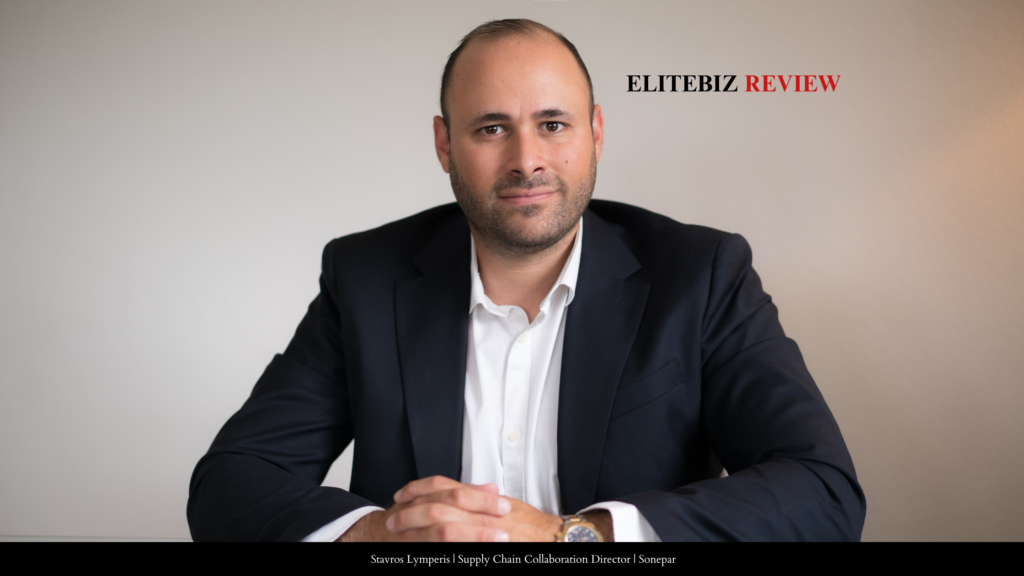
Andy Rampton | Industry Transformation Leader, APAC & MENA – Procore Technologies

Andy Rampton: Building the Future Where Data, Humanity, and Innovation Converge

Digital Version The Unconventional Beginning That Redefined Perspective Some careers follow a predictable trajectory – education, specialization, and steady advancement within a defined discipline. Others, however, are forged in environments so intense and exacting that they fundamentally reshape how an individual interprets systems, people, and progress itself. Andy Rampton’s journey belongs firmly in the latter category. Today, as Industry Transformation Leader for APAC & MENA at Procore Technologies, he brings that distinct perspective to an industry undergoing profound change. Before stepping into the construction industry, Andy began his professional life in the highly complex world of nuclear weapons engineering – an arena where precision is absolute and the consequences of failure extend far beyond immediate outcomes. In such a domain, there is no tolerance for ambiguity, no room for miscommunication, and certainly no margin for error. Yet, beyond the technical rigor, what left the most enduring impression on Andy was not simply the systems themselves, but how people interacted within them. He observed that human behavior, communication protocols, and process discipline were just as critical as the technology in ensuring success. This early exposure instilled in him a philosophy that would later define his approach to construction: technology, no matter how advanced, is only as effective as the human systems that govern and operate it. When Andy transitioned into construction, he carried with him a perspective that allowed him to see beyond accepted norms. Where others saw fragmentation as inevitable, he identified opportunities for cohesion. Where inefficiencies were tolerated as part of the process, he recognized the potential for transformation. A Defining Moment: The London Olympics and the Power of Collaboration Andy’s introduction to the future of construction – driven by technology and data – coincided with one of the most ambitious and closely scrutinized global projects of the modern era: the London Olympics. It was here, in 2009, that he encountered a technology that would profoundly influence his thinking: Building Information Modeling (BIM). At the time, BIM was widely perceived as an advanced visualization tool – a sophisticated way to create detailed three-dimensional representations of buildings. But Andy saw something far more transformative beneath the surface. To him, BIM represented a fundamental shift in how teams could collaborate. Traditional construction workflows had long been linear – information passed sequentially between stakeholders, often leading to delays, misinterpretations, and costly rework. BIM introduced the possibility of a shared digital environment, where all stakeholders could engage simultaneously, align in real time, and make informed decisions collectively. It transformed collaboration from a fragmented, reactive process into an integrated and proactive experience. This realization marked a turning point. Andy began to see technology not as a supplementary tool, but as the connective tissue capable of unifying the entire construction ecosystem. Over time, this perspective evolved even further. Construction, he came to understand, was no longer simply about delivering projects – it was about building intelligent, data-driven environments that enable continuous improvement, adaptability, and innovation. From Digitization to Intelligence: The Rise of a Data-Driven Industry For decades, the construction industry has been defined by manual processes and fragmented systems of information. While digital tools have been introduced over time, their impact has often been constrained by a lack of integration and interoperability. Today, however, the industry is undergoing a profound transformation – one driven by the realization that data is its most valuable and underutilized asset. Every construction project generates vast amounts of data – ranging from safety observations and workforce productivity metrics to cost tracking and supply chain performance. Historically, much of this data remained siloed, archived rather than activated, and rarely used to inform forward-looking decisions. Andy identifies the current moment as a critical shift – from data accumulation to data activation. With the emergence of predictive analytics and agentic AI, construction is moving away from reactive reporting toward proactive orchestration. Instead of analyzing what went wrong last week, teams can now anticipate risks before they materialize. Safety hazards can be identified before incidents occur. Budget deviations can be flagged before they escalate. Scheduling conflicts can be resolved before they disrupt progress. What once seemed aspirational is rapidly becoming operational reality. Andy often describes this evolution as the introduction of a “digital crew member” – an intelligent layer within technology platforms that works alongside human teams. This digital counterpart enhances decision-making, removes friction from workflows, and transforms how projects are managed at scale. Importantly, this shift is not just about efficiency – it is about empowerment. By eliminating the burden of manual data processing and administrative tasks, professionals are freed to focus on higher-value activities: innovation, creativity, and strategic problem-solving. Operating at the Epicenter of Global Transformation In his role as Industry Transformation Leader for APAC and MENA at Procore Technologies, Andy operates across regions that are redefining the boundaries of the built environment. These markets are characterized by bold ambition, rapid urbanization, and a willingness to embrace cutting-edge innovation. From next-generation smart cities to large-scale infrastructure developments, these regions are pushing the limits of what is possible in construction. One of the most significant trends Andy observes is the unprecedented pace of AI adoption. Organizations are integrating advanced technologies at a rate that surpasses any previous innovation cycle. However, this rapid acceleration also exposes a critical challenge – what Andy refers to as the “data tax.” While large enterprises are equipped to leverage sophisticated AI-driven solutions, many smaller firms – integral to the construction supply chain – continue to struggle with foundational digital processes such as documentation management, reporting, and workflow standardization. This disparity risks creating a fragmented industry where innovation benefits only a select few. Yet, Andy remains optimistic. He believes that the same technologies driving this transformation can also serve as equalizers – automating foundational processes, simplifying workflows, and making advanced capabilities accessible to organizations of all sizes. In doing so, the industry can move toward a more inclusive, connected, and cohesive future. Transforming Resistance into Opportunity Resistance to change has long been a defining characteristic of the construction

Mark Opao: Navigating the Future of E-Commerce with Strategy, Focus, and a Growth Mindset

Digital Version In the rapidly evolving digital economy, e-commerce leaders are increasingly responsible for managing complex ecosystems that blend technology, consumer behavior, and strategic business thinking. Among those shaping this transformation is Mark Opao, eCommerce Lead, Consumer Business – Southeast Asia at Kaspersky, whose career journey reflects adaptability, curiosity, and a strong commitment to continuous learning.   A Journey Fueled by Curiosity and Opportunity   Mark Opao’s entry into the world of e-commerce was not originally part of his career plan. Prior to leading the e-commerce business for Southeast Asia, he spent many years working as a Digital and Communications Planning Strategist. In that role, he advised clients and stakeholders across various industries throughout Asia and the Middle East on how to effectively use paid media channels in a holistic way to achieve business objectives.   While he gained extensive experience in digital strategy, Mark found himself increasingly curious about the broader picture of managing an entire online business. That curiosity eventually aligned with opportunity when his current organization offered him the chance to lead its e-commerce operations in Southeast Asia as part of the company’s ambitious growth strategy in the Asia-Pacific region. Embracing the opportunity with a growth mindset, Mark stepped into the role despite initial uncertainties. Today, he reflects on the move as one of the most meaningful career decisions he has made.   Rethinking the Role of the Modern E-Commerce Leader   For Mark, the concept of influence in e-commerce leadership goes beyond recognition or personal status. In fact, he modestly avoids labeling himself as an “influential” figure. Instead, he believes that e-commerce leaders function much like modern chief executive officers, particularly given the complexity and scale involved in managing digital businesses today.   Operating in a region as diverse and volatile as Southeast Asia requires balancing multiple factors at once. According to Mark, successful e-commerce leadership requires orchestrating strong business fundamentals, consumer-first planning, and the effective use of technology platforms. These components must work together seamlessly in order to create sustainable growth and meaningful digital experiences.   The Rise of the Super App Ecosystem   One of the most defining shifts in Southeast Asia’s digital economy is the emergence of the “super app” ecosystem. Mark observes that regional platforms have rapidly evolved into all-in-one digital environments that combine services such as payments, grocery delivery, ride-hailing, food delivery, and e-commerce marketplaces within a single application.   While regional super apps like Grab initially paved the way, many countries now have their own versions of these integrated platforms. Examples include Touch ‘N Go in Malaysia, Zalo in Vietnam, and Gojek or GoPay in Indonesia. Mark believes that these ecosystems will continue evolving toward models similar to advanced platforms such as WeChat and Alipay in mainland China.   Another rapidly emerging trend in the region is the rise of livestreaming as a digital sales channel, which is becoming increasingly prominent for brands looking to engage customers in more interactive ways.   To adapt to these developments, Mark approaches business planning with what he calls a “super app mindset.” This perspective requires companies to build digital experiences that integrate effectively within these ecosystems while ensuring that new initiatives do not undermine or cannibalize existing online sales channels.   Creating Seamless Digital Commerce Experiences   Delivering meaningful digital commerce experiences requires a careful balance between brand consistency and consumer centricity. In a crowded digital landscape where consumers encounter brands across multiple platforms, Mark believes consistency is essential. Brand elements such as colors, typography, visual imagery, and tone must remain coherent regardless of where the consumer engages with the brand.   At the same time, the customer experience must remain the central focus. This includes optimizing every step of the purchasing journey, from product discovery and research to the shopping cart process and payment options. The ultimate goal is to convert every visitor into a customer in the shortest possible time while maintaining a positive user experience.   Achieving this level of optimization can be particularly challenging for organizations that  operate across both business-to-consumer and business-to-business models or those managing both online and physical retail environments. However, Mark believes it becomes achievable through consistent internal alignment among teams.   Turning Data into Strategic Insight   For many e-commerce leaders, the abundance of digital data can become both a powerful asset and a significant challenge. Mark explains that while organizations have access to vast quantities of data, consolidating and interpreting that information effectively is often far from straightforward.   Different teams frequently rely on separate dashboards and reporting systems, which can lead to fragmented insights that are difficult to unify. To overcome this challenge, Mark emphasizes the importance of identifying clear “sources of truth” from the outset.   These sources should be limited to platforms and dashboards that directly impact key business performance indicators. From there, data can be organized into two essential categories: effectiveness metrics, which measure how well campaigns achieve their intended objectives, and efficiency metrics, which evaluate the resources required to reach those outcomes.   Mark also recognizes the growing value of data visualization and dashboard technologies that aggregate multiple datasets. However, regardless of how visually advanced these systems become, he believes every dataset must ultimately answer two critical questions: Is the insight meaningful, and is it actionable? If the answer to either question is negative, then the data does not meaningfully support strategic decision-making.   Leadership Rooted in Personal Growth   Mark’s leadership philosophy centers on a concept he describes as personal leadership. In his view, the most effective corporate leaders are those who demonstrate the same leadership qualities in their personal lives as they do in their professional roles.   Leaders who embody curiosity, resilience, and empathy are better equipped to guide teams through high-growth environments and periods of transformation. In industries undergoing constant innovation, such as digital commerce, transformation is rarely a one-time event. Instead, it is an ongoing process of experimentation, iteration, and learning.   For this reason, Mark believes organizations must continuously test new

Michael Saba: Designing a Brand for the Value-Conscious Luxury Buyer

Digital Version (How ALT. Fragrances is challenging legacy pricing models and building a new standard for accessible luxury) Luxury has long operated within a framework that few questioned – high price equates to high value. In categories like fragrance, that equation has been reinforced for decades through branding, exclusivity, and controlled distribution. But for Michael Saba, Founder of ALT. Fragrances, that model was never entirely convincing. His journey into the industry didn’t begin with a strategic plan to disrupt it – it began with a simple, personal experience that exposed a much larger gap. While in college, Saba came across Creed Aventus, a fragrance widely regarded as one of the most iconic scents in the market. The appeal was immediate. The quality, the composition, the identity – it all resonated. But the price, exceeding $400 per bottle, created a disconnect that was difficult to ignore. For Saba, the issue wasn’t just affordability; it was the realization that the cost of the product did not align with its intrinsic value. That moment became the foundation for a deeper observation about the industry. Many fragrances retailing between $300 and $500 were produced at a fraction of that cost, with the majority of the markup driven by branding, positioning, and traditional retail structures rather than the formulation itself. At the same time, consumer behavior was evolving. Buyers were becoming more informed, more analytical, and increasingly comfortable purchasing products online without relying on legacy retail experiences. This convergence – an outdated pricing structure and a more informed consumer – created a clear opportunity. ALT. Fragrances was built to address that gap, offering high-quality fragrances inspired by well-known scents at a significantly more accessible price point, without compromising on performance. Proving the Model Through Customer Behavior In the early stages of ALT., the priority was not rapid expansion or brand visibility. It was validation. For Saba, the most meaningful metric was not initial sales, but repeat purchases. A first transaction could be driven by curiosity or price sensitivity, but a second purchase indicated something far more important – product satisfaction. Once ALT. began to see strong repeat purchase behavior, it confirmed that customers were not simply experimenting with the brand; they were returning because the product delivered. In a category as subjective and experience-driven as fragrance, this was a critical milestone. It demonstrated that the brand’s value proposition – quality at a more accessible price – was not only compelling, but sustainable. This validation provided the confidence to scale. From that point forward, growth was approached with a clear framework: identify what works, optimize it, and expand strategically without compromising the core product experience. Building a Scalable Growth Engine ALT.’s growth has been driven by a highly disciplined approach to performance marketing. Rather than relying on traditional brand-building strategies alone, the company built a system centered on continuous testing, rapid iteration, and data-driven decision-making. Creative is at the core of this system. Campaigns are not treated as static assets but as evolving components that are constantly refined based on performance. The team tests aggressively, analyzing engagement, conversion, and return metrics in real time. This allows ALT. to scale successful campaigns quickly while eliminating underperforming ones without delay. Data plays a central role in this process. Metrics such as customer acquisition cost, repeat purchase rate, lifetime value, and return on ad spend are monitored closely. These indicators provide immediate feedback on performance and guide decision-making across marketing and product strategies. However, quantitative data alone is not sufficient. Customer feedback serves as an equally important input. Reviews, support interactions, and user-generated content reveal patterns that data alone cannot fully capture – insights into product longevity, packaging expectations, and overall customer experience. By combining these qualitative signals with performance metrics, ALT. is able to make informed decisions that align closely with consumer needs. Establishing Trust Through Clarity and Consistency In a market where consumers may be skeptical of alternative fragrance brands, trust is a critical factor. ALT.’s approach to building that trust has been grounded in transparency. From the beginning, the brand has been clear about its offering: high-quality fragrances inspired by well-known scents, delivered at a fraction of the traditional cost. This clarity removes ambiguity and sets accurate expectations. Once those expectations are established, the responsibility shifts to the product itself. Performance becomes the defining factor. Longevity, ingredient quality, and consistency across batches are essential to maintaining credibility. Over time, this consistency has driven repeat purchases, which serve as the strongest validation of trust. In addition, social proof has played a significant role in reinforcing the brand’s reputation. Customer reviews, user-generated content, and creator partnerships provide authentic validation, helping new customers feel confident in their purchasing decisions. Through this combination of transparency and performance, ALT. has positioned itself not merely as an alternative, but as a reliable and credible option within the fragrance market. Competing on Value, Not Perception While many fragrance brands emphasize storytelling, heritage, or visual identity, ALT. has focused on a different set of priorities: value, performance, and consistency. This differentiation is intentional and reflects a broader shift in consumer expectations.  Quality remains the foundation. Maintaining a high standard across all products ensures that the brand delivers on its promise. At the same time, control over manufacturing allows ALT. to operate with greater speed, identifying trends and bringing products to market more efficiently than traditional competitors. Pricing is another key differentiator. By eliminating unnecessary markups, the brand is able to offer a significantly stronger price-to-quality ratio. This makes the value proposition clear and accessible to a wider audience. Marketing, meanwhile, is driven by experimentation. The team continuously tests new creative approaches, adapting quickly to changing consumer preferences and platform dynamics. This willingness to evolve is essential in a digital-first environment where attention is limited and competition is constant. Education also plays a strategic role. By helping consumers understand how fragrance pricing works, ALT. reinforces its positioning and builds deeper trust. When customers understand the economics behind the industry, the brand’s value becomes even

Human-Centered Leadership

The Rise of Purpose-Driven Leadership in 2026

In 2026, leadership is evolving beyond profit and performance metrics. The most impactful leaders are embracing purpose-driven leadership, connecting organizational strategy to a clear mission, social responsibility, and meaningful impact. Employees, customers, and investors increasingly expect leaders to act with intention and ethics. Leaders who embed purpose into business operations inspire teams, attract talent, and foster long-term loyalty. Purpose-driven leadership is no longer optional—it’s a competitive advantage. This blog explores the rise of purpose-driven leadership in 2026, outlining actionable strategies for executives and managers to align business objectives with meaningful impact while driving performance and growth. 1. Defining Purpose in Modern Leadership Purpose-driven leaders understand that their decisions must reflect a larger mission. This involves: Clarifying Organizational Values: Define what your company stands for and why it exists beyond profits. Aligning Strategy with Purpose: Integrate mission-driven goals into daily operations and long-term planning. Communicating Vision: Consistently share purpose with employees, customers, and stakeholders. Example: A retail company with a purpose-driven mission to reduce environmental impact implemented sustainable packaging and supplier practices. Employees felt motivated, customer loyalty increased, and brand reputation strengthened. 2. Embedding Purpose into Company Culture A strong culture reinforces purpose-driven leadership. Leaders can foster this by: Modeling Values: Leaders demonstrate purpose through their actions, decisions, and communication. Empowering Employees: Encourage teams to contribute ideas and initiatives aligned with company purpose. Recognition & Rewards: Celebrate employees and projects that advance the organizational mission. Example: A tech startup encouraged employees to volunteer for social impact projects. By connecting these initiatives to business goals, engagement rose, and retention improved by 20%. 3. Purpose-Driven Decision Making Purpose-driven leadership also influences strategic decisions. Leaders consider ethical, social, and environmental implications alongside financial outcomes. Key Strategies: Decision Frameworks: Evaluate options based on impact, sustainability, and alignment with purpose. Stakeholder Engagement: Include employees, customers, and community perspectives in critical decisions. Transparent Reporting: Track and share outcomes of purpose-driven initiatives. Example: A financial services company introduced an ethical investment fund. Decisions were guided by both profitability and social responsibility, attracting a loyal client base aligned with their mission. 4. Measuring the Impact of Purpose Purpose-driven leadership requires measurable outcomes. Leaders should track: Employee engagement and retention metrics Customer satisfaction and loyalty Social and environmental impact metrics Revenue growth tied to purpose-driven initiatives Example: A sustainable fashion brand tracked customer engagement on purpose-focused campaigns, leading to a 15% increase in repeat purchases while improving brand reputation. Conclusion The rise of purpose-driven leadership in 2026 highlights the shift from purely profit-focused management to mission-oriented, impact-driven strategies. Leaders who embed purpose into culture, decision-making, and strategy inspire teams, strengthen brand reputation, and drive sustainable growth. Embracing purpose-driven leadership ensures that businesses remain competitive, socially responsible, and resilient in the evolving business landscape.

How Modern Leaders Are Building High-Performance Remote Teams

How Modern Leaders Are Building High-Performance Remote Teams

The rise of remote work has transformed how businesses operate and how leaders lead. In 2026, building high-performance remote teams is no longer optional—it’s a strategic necessity. Leaders must adapt their management style, implement the right tools, and foster culture across virtual environments to maintain productivity and engagement. Remote teams offer flexibility and access to global talent, but without structured leadership, communication breakdowns, disengagement, and inefficiency can occur. Modern leaders are rethinking collaboration, accountability, and team culture to ensure distributed teams perform at their best. This blog explores strategies for building high-performance remote teams in 2026, offering actionable insights and practical tools for leaders managing virtual employees. 1. Establish Clear Goals and Expectations High-performance remote teams thrive when objectives are clearly defined. Leaders must set measurable goals, define responsibilities, and communicate expectations consistently. Key Strategies: SMART Goals: Specific, Measurable, Achievable, Relevant, Time-bound objectives guide remote work. Transparent Communication: Clearly outline team priorities, deadlines, and accountability measures. Regular Check-ins: Weekly or bi-weekly meetings ensure alignment without micromanaging. Example: A tech startup introduced weekly goal-setting sessions for remote teams. By providing clarity on deliverables and success metrics, productivity increased by 25% within three months. 2. Leverage the Right Tools and Technology Remote leadership requires the right infrastructure. Modern leaders use tools to streamline collaboration, track progress, and maintain transparency across distributed teams. Essential Tools: Project Management: Platforms like Asana or Trello keep tasks organized. Communication: Slack, Microsoft Teams, or Zoom enable seamless collaboration. Performance Tracking: AI-powered analytics monitor productivity and engagement. Knowledge Management: Shared document systems ensure everyone has access to key resources. Example: A marketing agency implemented AI-driven project management tools to monitor remote team progress. Managers identified bottlenecks early, improving project delivery time by 20% 3. Foster a Strong Remote Culture Culture is the backbone of any high-performance team. Leaders must cultivate trust, collaboration, and engagement, even in virtual settings. Key Practices: Regular Recognition: Celebrate achievements publicly to boost morale. Virtual Team-Building: Conduct interactive sessions to strengthen relationships. Inclusivity: Encourage all voices to participate, ensuring equitable contributions. Empathy and Support: Understand challenges of remote work and provide support. Example: A consulting firm hosted monthly virtual coffee sessions and peer recognition awards. Employee engagement scores rose by 30%, translating to higher productivity. 4. Encourage Autonomy and Accountability High-performing remote teams are empowered to take ownership. Leaders must balance guidance with autonomy. Key Strategies: Define clear responsibilities without micromanaging. Establish key performance indicators (KPIs) to track output. Encourage problem-solving and decision-making within teams. Example: A software company allowed remote developers to self-manage sprints while reporting outcomes weekly. Autonomy increased innovation, with new features developed 15% faster than previous cycles. Conclusion Building high-performance remote teams in 2026 requires clear goals, effective tools, a strong culture, and a balance of autonomy and accountability. Leaders who implement these strategies can achieve productivity, engagement, and innovation across distributed teams. Remote work is here to stay, and the leaders who adapt will empower their teams to excel—regardless of location.

The top leadership trends shaping businesses in 2026—digital-first leadership, purpose-driven vision, agile practices, and inclusive collaboration—define the next era of business success. Leaders who embrace these trends can drive growth, foster innovation, and inspire high-performing teams.

Top Leadership Trends Shaping Businesses in 2026

2026 is set to redefine leadership in unprecedented ways. The fast-paced business environment, evolving technologies, and changing workforce expectations are reshaping how leaders lead, make decisions, and inspire teams. Understanding emerging leadership trends 2026 is crucial for executives, founders, and managers who want to stay ahead. From embracing digital transformation to cultivating purpose-driven teams, the future of business leadership requires a balance of strategic vision, adaptability, and empathy. Leaders who adopt modern practices can drive sustainable growth, foster innovation, and attract top talent. In this blog, we’ll explore the top leadership trends shaping businesses in 2026, providing actionable insights to help leaders thrive in the next era of business. 1. Digital-First Leadership Digital transformation is no longer optional. Leaders must understand technology’s role in strategy and operations. Key Practices: Integrating AI and automation to optimize business processes Leveraging data analytics for informed decision-making Guiding teams through technology adoption without resistance Example: Executives using AI-powered dashboards can predict market shifts and make agile decisions, ensuring their organizations stay competitive. 2. Purpose-Driven Leadership Employees and customers increasingly value organizations with a clear purpose. Leaders must connect vision, values, and strategy to inspire action. Key Practices: Aligning company goals with social impact initiatives Communicating organizational purpose consistently Encouraging employee involvement in mission-driven projects Example: A tech company led by purpose-driven executives saw higher employee engagement and retention rates, demonstrating the tangible benefits of this leadership trend. 3. Agile & Adaptive Leadership The volatile business environment requires leaders who can pivot quickly and lead through uncertainty. Key Practices: Implementing flexible decision-making structures Encouraging iterative planning and continuous feedback Building resilient teams that adapt to market shifts Example: During rapid market changes, agile leaders who empowered teams to make data-driven decisions maintained productivity and minimized disruption. 4. Inclusive & Collaborative Leadership Diversity, equity, and inclusion are essential for innovative teams. Leaders who embrace collaboration foster creativity and engagement. Key Practices: Encouraging diverse perspectives in decision-making Cultivating psychological safety for open dialogue Recognizing and mentoring emerging leaders Example: Companies with inclusive leadership practices are more innovative, outperform competitors, and retain top talent. 5. Conclusion The top leadership trends shaping businesses in 2026—digital-first leadership, purpose-driven vision, agile practices, and inclusive collaboration—define the next era of business success. Leaders who embrace these trends can drive growth, foster innovation, and inspire high-performing teams.

personal branding

The Rise of Personal Branding for Business Leaders in 2026

Leadership Influence in the Digital Economy In 2026, business leadership extends far beyond operational excellence and strategic oversight. Executives are no longer evaluated solely by financial performance or internal management capabilities. Instead, they are increasingly assessed by their visibility, credibility, and influence in the public domain. Personal branding for business leaders has evolved from a marketing advantage into a strategic necessity. As explored in our pillar article on The Future of Business Leadership in 2026, modern leadership is defined by digital fluency, transparency, and ecosystem thinking. In this landscape, executive visibility reinforces corporate authority. Leaders who articulate clear perspectives on industry shifts, digital transformation, AI adoption, sustainable growth, and hybrid workforce management are shaping not only their organizations but entire sectors. The rise of personal branding signals a structural change in how leadership authority is built and sustained. The Shift from Corporate Brand to Executive Brand Historically, companies invested heavily in corporate branding while executive presence remained largely confined to boardrooms and industry conferences. However, digital platforms have democratized communication. Stakeholders now engage directly with leaders through professional networks, interviews, and thought leadership publications. Consumers, investors, and employees increasingly associate organizational credibility with executive authenticity. A company’s vision often gains clarity through the voice of its leadership. This shift reflects a broader transformation in trust dynamics. Modern audiences value transparency and accessibility. They prefer hearing directly from decision-makers rather than anonymous corporate messaging. As a result, CEO personal branding has become an extension of corporate strategy. Why Personal Branding Matters More in 2026 Several macro trends are accelerating the importance of executive visibility. First, digital transformation has amplified information flow. News cycles move rapidly, and narratives form quickly. In this environment, leaders who remain silent risk losing control of their organization’s story. Second, the competition for top talent has intensified. Skilled professionals seek employers whose leadership demonstrates clarity of purpose and forward-thinking vision. A strong personal brand attracts high-performing individuals who align with that vision. Third, investor expectations have evolved. Shareholders assess not only financial performance but also governance standards, sustainability commitments, and leadership credibility. Visible executives who articulate strategic roadmaps inspire greater confidence. Finally, global interconnectedness has blurred geographical boundaries. Leaders now operate within global ecosystems where reputation travels faster than ever. Personal branding is no longer optional—it is a leadership responsibility. Defining Executive Personal Branding Personal branding for business leaders is not self-promotion. It is the deliberate articulation of expertise, values, and strategic perspective. An effective executive brand communicates: Core leadership philosophy Industry specialization Commitment to innovation Ethical standards Long-term vision It positions the leader as a thought authority rather than a commentator. Consistency across communication channels strengthens credibility. Authenticity remains central. Audiences can quickly identify superficial branding attempts. Sustainable personal branding is grounded in genuine insight and experience. Thought Leadership as Strategic Positioning Thought leadership is the primary vehicle for executive branding. By sharing informed perspectives on industry developments, leaders shape discourse and establish authority. For example, executives who contribute insights on AI integration, data-driven leadership, or sustainable growth strategies demonstrate intellectual leadership within their sectors. These topics align naturally with broader business leadership trends and reinforce strategic expertise. Thought leadership content may include: Industry articles Expert interviews Panel discussions Strategic forecasts Digital platform commentary The goal is not frequency alone but depth and clarity. High-quality, insight-driven contributions generate long-term influence. The Role of Digital Platforms in Executive Branding Professional digital platforms have become powerful amplifiers of executive presence. Leaders can now communicate directly with stakeholders without intermediary filters. Consistent engagement through strategic posts, commentary on emerging leadership trends, and reflections on digital transformation initiatives builds credibility over time. However, effectiveness depends on strategic discipline. Leaders should focus on topics aligned with organizational priorities and personal expertise. Overextension into unrelated themes can dilute brand clarity. The most impactful executive profiles reflect intellectual consistency and strategic coherence. Building Authority Through Expertise One of the most critical elements of executive branding is alignment. Personal narratives must reinforce corporate identity rather than contradict it. If an organization positions itself as innovation-driven, its leadership should demonstrate digital fluency and forward-thinking perspectives. If sustainability forms part of corporate strategy, executives should communicate measurable commitments and progress. Misalignment between personal messaging and corporate direction can create confusion or reputational risk. Coordinated communication between leadership and corporate teams ensures consistency. In this way, personal branding strengthens rather than competes with organizational branding. Aligning Personal Brand with Corporate Strategy Authority is built through demonstrated expertise. Executives must identify their core domains of specialization and contribute meaningfully within those areas. For instance, a leader spearheading AI-driven transformation initiatives can establish authority by discussing AI governance, predictive analytics adoption, and risk management frameworks. Similarly, executives focused on hybrid workforce optimization can contribute insights into digital collaboration systems and performance metrics. Expertise-driven branding enhances credibility because it reflects operational experience rather than abstract commentary. Over time, repeated association with specific themes builds recognizable authority. Authenticity and Vulnerability in Leadership Communication Modern audiences respond positively to authenticity. Leaders who acknowledge challenges, discuss lessons learned, and share strategic recalibrations humanize executive roles. This does not require oversharing personal details. Rather, it involves communicating with intellectual honesty. Transparent discussion of industry volatility, digital transformation obstacles, or cultural shifts fosters trust. Authenticity strengthens engagement and differentiates leaders from overly curated corporate personas. In 2026, authenticity is not weakness—it is strategic strength. Personal Branding and Talent Attraction Employer branding increasingly intersects with executive branding. Professionals often research leadership profiles before joining organizations. A visible and respected executive team enhances recruitment efforts. Leaders who articulate a compelling vision, demonstrate commitment to innovation, and engage thoughtfully in industry discourse attract ambitious talent. Moreover, internal employees feel greater alignment when leadership communicates directly and consistently. This reinforces organizational culture and morale. Personal branding thus contributes to both external recruitment and internal retention. Reputation Management in a Real-Time Media Environment The speed of digital communication increases reputational vulnerability. A single misinterpreted statement can escalate quickly. Proactive personal branding acts as a reputational buffer. Leaders who maintain consistent, value-driven communication build goodwill over time. In moments of

How AI Is Reshaping Executive Decision-Making in 2026

How AI Is Reshaping Executive Decision-Making in 2026

Artificial Intelligence Moves Into the Executive Core Artificial intelligence is no longer confined to operational automation or experimental innovation labs. In 2026, AI in executive decision-making has become a central pillar of modern business leadership. Organizations across industries are integrating AI-powered analytics into strategic planning, risk management, financial forecasting, and competitive intelligence. As explored in our pillar article on The Future of Business Leadership in 2026, digital transformation is redefining how leaders operate. AI now functions as a strategic augmentation tool that enhances executive clarity, accelerates insights, and improves long-term positioning. The shift is not about replacing human leadership—it is about upgrading leadership capability. Executives who embrace AI-driven intelligence are making faster, more informed decisions while maintaining strategic agility in volatile markets. The Evolution from Intuition-Based to Intelligence-Augmented Leadership Strategic planning has become increasingly dynamic. Five-year static roadmaps are giving way to adaptive frameworks supported by continuous data feedback. AI tools enable executives to simulate multiple business scenarios simultaneously. For example: How would a 5% supply chain disruption impact quarterly margins? What is the projected revenue shift if consumer demand changes regionally? How might currency fluctuations affect international expansion plans? AI-driven modeling systems generate outcome probabilities based on historical data and market patterns. Leaders can test assumptions before committing capital. This capability enhances strategic agility—one of the defining leadership trends of 2026. Organizations that integrate AI into planning processes respond more effectively to economic volatility and geopolitical uncertainty. Financial Forecasting and Capital Allocation Financial decision-making is one of the areas where AI has delivered measurable impact. AI-powered forecasting tools analyze historical performance, macroeconomic indicators, and sector-specific data to produce more accurate revenue projections. These systems detect subtle shifts in market demand and alert executives to emerging patterns. Capital allocation also benefits from predictive modeling. Leaders can evaluate which divisions are likely to generate higher returns and optimize resource distribution accordingly. Rather than reactive budgeting, AI enables proactive financial strategy. This level of precision gives AI-enabled enterprises a competitive edge over organizations still relying on conventional spreadsheet-based forecasting. AI in Risk Intelligence and Crisis Prevention Risk management has evolved into risk intelligence. Traditional risk frameworks often relied on periodic audits and compliance checklists. In contrast, AI continuously scans for anomalies across cybersecurity systems, supply chains, and financial transactions. For instance, AI can: Detect unusual transaction patterns indicating fraud Identify supplier vulnerabilities based on geopolitical instability Monitor cybersecurity breaches in real time Flag regulatory compliance risks before penalties occur Executives now receive early warning indicators that allow preemptive action. In a world where reputational damage can spread rapidly, this proactive approach is essential. AI-driven risk intelligence strengthens organizational resilience—a core component of future-ready business leadership. Data-Driven Leadership and AI Synergy AI and data-driven leadership are deeply interconnected. While data-driven executives rely on metrics and performance dashboards, AI enhances the depth and predictive value of those metrics. For example: Traditional analytics might show declining customer retention. AI analysis can predict which customer segments are most likely to churn and suggest targeted interventions. This synergy enables precision strategy rather than broad corrective measures. Executives who combine AI insights with data governance frameworks build a robust analytical culture. As discussed in our cluster article on How Data-Driven Leaders Are Outperforming Competitors, analytics maturity directly correlates with performance outcomes. AI simply accelerates and sharpens that analytical advantage. Ethical AI and Responsible Governance While AI offers transformative potential, responsible governance is critical. Bias in algorithms, lack of transparency, and over-reliance on automated recommendations can create ethical challenges. Leadership accountability remains central to AI deployment. Executives must ensure: Transparent data sourcing Clear accountability for algorithmic decisions Human oversight in high-impact judgments Compliance with regulatory standards Ethical AI frameworks are not just risk mitigation tools—they enhance stakeholder trust. In 2026, investors and consumers expect responsible innovation. Leaders who prioritize ethical oversight protect both brand reputation and long-term value. AI and Talent Strategy Executive roles involve constant high-stakes decisions. Over time, decision fatigue can reduce clarity and effectiveness. AI systems alleviate cognitive load by filtering irrelevant information and presenting structured insights. Instead of sorting through fragmented reports, leaders receive consolidated intelligence summaries. This allows executives to focus on: Long-term vision Strategic partnerships Innovation exploration Organizational culture AI acts as a decision-support partner, enabling leaders to allocate mental energy more efficiently. Integrating AI Into Corporate Culture Successful AI adoption is not purely technological—it is cultural. Organizations must foster AI literacy across leadership teams. Executives should understand not only what AI can do but how it works conceptually. Training programs, cross-functional workshops, and collaborative experimentation strengthen internal confidence. Resistance often stems from misunderstanding. Transparent communication about AI objectives reduces fear and increases adoption rates. Leadership alignment around digital transformation accelerates enterprise-wide integration. AI and Competitive Advantage in 2026 The competitive landscape increasingly differentiates between AI-enabled enterprises and traditional operators. AI-powered organizations benefit from: Faster strategic pivots More accurate demand forecasting Reduced operational waste Enhanced customer personalization Improved risk mitigation Competitors that delay AI integration risk falling behind in efficiency and innovation. However, competitive advantage does not come from technology alone. It comes from leadership’s ability to integrate AI strategically rather than reactively. Challenges in AI Implementation Despite its benefits, AI adoption presents challenges. Data fragmentation across departments can limit system effectiveness. Integration costs may strain budgets. Employees may resist automation due to job security concerns. Leaders must approach implementation with structured planning: Define clear objectives Start with pilot programs Measure impact incrementally Communicate transparently Gradual integration reduces disruption while maximizing learning. The Future of AI-Augmented Leadership Looking ahead, AI capabilities will continue expanding into predictive innovation modeling, automated negotiation analytics, and advanced strategic simulations. Executives who cultivate digital fluency today will adapt more effectively tomorrow. The future of leadership is not about delegating decisions to machines. It is about building collaborative intelligence systems where technology enhances human capability. Organizations that master this balance will define the next era of enterprise excellence. Conclusion: Intelligence as a Leadership Multiplier In 2026, AI in executive decision-making is no longer a futuristic concept—it is a leadership standard. By integrating

The Future of Business Leadership in 2026: Trends, Strategy & Digital Transformation

The Future of Business Leadership in 2026: Trends, Strategy & Digital Transformation

Business Leadership in an Era of Intelligent Acceleration Business leadership is no longer defined solely by authority, operational oversight, or quarterly performance metrics. As we move through 2026, leadership is being reshaped by digital transformation, artificial intelligence, evolving workforce expectations, and a rapidly shifting global economy. The pace of change has accelerated to a level where static leadership models can no longer sustain growth. The future of leadership is being built at the intersection of technology, human intelligence, and strategic foresight. Leaders are now expected to manage complexity, navigate uncertainty, and drive innovation while maintaining cultural cohesion and long-term sustainability. In this new landscape, business leadership is not just about guiding organizations — it is about architecting resilient ecosystems capable of adapting continuously. This comprehensive analysis explores the leadership trends defining 2026, the expanding role of digital transformation in executive strategy, and the competencies required to thrive in the next era of business. The Transformation of Business Leadership Models Historically, business leadership operated within hierarchical frameworks designed for stability and predictability. Decision-making was centralized, information flowed vertically, and authority was closely tied to tenure and positional power. While this model served industrial-era organizations effectively, it is increasingly misaligned with the realities of a digitally integrated global economy. In 2026, leadership structures are becoming flatter, more collaborative, and more responsive. The modern executive no longer functions solely as a decision-maker at the top of a pyramid. Instead, leaders operate as facilitators of innovation, orchestrators of talent, and stewards of long-term vision. Authority is gradually being replaced by influence, and control is being replaced by coordination. This shift reflects a broader transformation: organizations are evolving from rigid systems into adaptive networks. As a result, business leadership now demands the ability to manage ambiguity while maintaining clarity of direction. Digital Transformation as a Strategic Imperative Digital transformation has transitioned from a competitive advantage to a fundamental requirement for survival. However, in 2026, it is no longer confined to technological upgrades or software adoption. True digital transformation is a comprehensive rethinking of how organizations create, deliver, and sustain value. Leaders must view digital transformation not as an IT initiative but as a strategic reinvention of business models. This includes digitizing core operations, integrating real-time data systems, automating repetitive workflows, and enhancing customer experiences through intelligent technologies. More importantly, it requires cultivating a digital-first mindset across the organization. The role of business leadership in this transformation is pivotal. Executives must align digital investments with long-term strategic objectives, ensure cross-departmental collaboration, and foster a culture that embraces experimentation. When digital transformation is embedded into the organizational DNA rather than treated as a temporary project, it becomes a sustainable growth engine. Leadership Trends 2026: Defining Characteristics of Modern Executives The leadership trends shaping 2026 reveal a clear pattern: successful executives blend technological fluency with human insight. Several defining characteristics are emerging as essential to future-ready leadership. One of the most prominent trends is data-driven decision-making. Leaders today operate in environments saturated with information. Advanced analytics platforms provide real-time performance metrics, predictive modeling, and scenario simulations. Rather than relying solely on intuition, executives are leveraging structured insights to guide strategic choices. However, effective leadership requires more than data interpretation — it demands contextual understanding and the ability to translate insights into actionable outcomes. Another defining trend is AI-augmented leadership. Artificial intelligence tools are now integrated into financial forecasting, supply chain optimization, talent analytics, and customer segmentation. Leaders who understand the capabilities and limitations of AI are positioned to unlock significant efficiency gains. At the same time, ethical oversight and responsible deployment are critical. The future of leadership includes ensuring that automation enhances human potential rather than replacing strategic thinking. Equally important is the resurgence of human-centric leadership. As technology becomes more sophisticated, employee expectations are also evolving. Professionals seek meaningful work, transparent communication, and inclusive cultures. Leaders must demonstrate empathy, emotional intelligence, and active listening. Trust remains a foundational currency in modern organizations, and digital advancement cannot substitute for authentic leadership presence. Hybrid and distributed workforce management also defines leadership in 2026. Remote collaboration, global talent pools, and flexible schedules are now embedded into corporate structures. Leading hybrid teams requires clarity in goal-setting, results-oriented performance metrics, and consistent communication frameworks. Executives must cultivate cohesion even when teams are geographically dispersed. Finally, purpose-driven leadership has emerged as a strategic differentiator. Investors, consumers, and employees increasingly evaluate organizations based on environmental, social, and governance commitments. Leaders are expected to integrate sustainability into corporate strategy rather than treating it as a compliance obligation. Purpose alignment enhances brand trust and long-term resilience. Strategic Agility in a Volatile Economy Economic volatility has become a constant rather than an exception. Market disruptions, geopolitical tensions, technological breakthroughs, and regulatory shifts create a dynamic operating environment. In such conditions, strategic agility is indispensable. Strategic agility refers to the ability to pivot without compromising long-term objectives. It involves continuous scenario planning, rapid resource reallocation, and iterative experimentation. Agile leaders recognize that perfect information rarely exists; instead, they build adaptable frameworks capable of absorbing shocks. Rather than pursuing rigid five-year plans, modern executives adopt modular strategies. They establish clear long-term visions while allowing tactical flexibility. This balance between stability and adaptability distinguishes high-performing organizations from those that struggle to respond to change. The Expanding Role of Digital Fluency Digital fluency has become a core leadership competency. While executives are not expected to master technical coding languages, they must understand how digital infrastructure shapes business outcomes. Cloud computing, cybersecurity frameworks, automation platforms, and AI ecosystems are no longer peripheral concerns — they are central to enterprise growth. Leaders who lack digital awareness risk making uninformed strategic decisions. Conversely, those who embrace digital fluency can evaluate technological investments with clarity and confidence. They can ask informed questions, assess scalability, and align innovation with operational goals. Digital transformation initiatives often fail not because of technology limitations but due to leadership disconnect. When executives actively champion digital evolution, organizations are more likely to achieve successful implementation. Change Management: The Human Side

Scroll to Top

Stay Ahead in Business​

Get latest business insights, PR opportunities & featured stories